Industrial waste disposal has always been a significant challenge for businesses worldwide. With growing environmental concerns and stricter regulations, the need for efficient, safe, and eco-friendly waste management solutions has never been more critical. The liquefied gas cylinder incinerator is one such innovation that is revolutionizing the industry. These advanced systems offer many benefits, making them an increasingly popular choice for companies seeking to improve their waste disposal methods. This article delves into how incinerators transform industrial waste disposal, exploring their technology, advantages, applications, and future potential.
Understanding Liquefied Gas Cylinder Incinerators
Liquefied gas cylinder incinerators are specialized devices designed to incinerate waste materials using liquefied gases, such as liquefied petroleum gas (LPG) or liquefied natural gas (LNG). These gases are stored in pressurized cylinders and used as fuel to generate high temperatures required for incineration. The process involves combusting the waste at elevated temperatures, effectively reducing its volume and transforming it into less harmful byproducts like ash, flue gas, and heat.
The Technology Behind Incinerators
The technology underpinning liquefied gas cylinder incinerators is sophisticated, ensuring efficient and environmentally friendly waste disposal. Key components of these incinerators include:
Fuel Supply System: This system stores and regulates the flow of liquefied gas from the cylinders to the combustion chamber. Advanced sensors and controls ensure a consistent and safe supply of fuel, maintaining optimal combustion conditions.
Combustion Chamber: The heart of the incinerator, the combustion chamber is designed to withstand extremely high temperatures. It is typically lined with refractory materials to ensure durability and efficiency. The design facilitates complete combustion, minimizing the release of harmful pollutants.
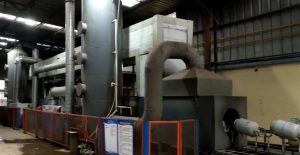
Flue Gas Treatment: Modern liquefied gas cylinder incinerators are equipped with advanced flue gas treatment systems. These systems capture and neutralize harmful emissions, such as sulfur oxides (SOx), nitrogen oxides (NOx), and particulate matter, ensuring compliance with stringent environmental regulations.
Ash Handling System: Post-combustion, the residual ash is collected and handled through automated systems. This ensures safe disposal or potential recycling of the ash, depending on its composition.
Advantages of Incinerators
Liquefied gas cylinder incinerators offer several compelling advantages over traditional waste disposal methods, making them a game-changer in the industry.
1. High Efficiency and Complete Combustion
One of the primary benefits of these incinerators is their high efficiency. The use of liquefied gases, which have a high calorific value, ensures that the waste is combusted completely. This reduces the volume of waste significantly, often by up to 90%, leaving only a small amount of ash. Complete combustion also means fewer unburned residues and lower emissions of harmful pollutants.
2. Environmental Benefits
Liquefied gas cylinder incinerators are designed with environmental protection in mind. The high combustion temperatures facilitate the breakdown of complex organic molecules and hazardous compounds, rendering them harmless. The advanced flue gas treatment systems further mitigate the environmental impact by capturing and neutralizing harmful emissions. This results in cleaner flue gases, contributing to improved air quality.
3. Safety and Reliability
Safety is a paramount concern in industrial waste disposal. The incinerators incorporate numerous safety features, including automated fuel control, pressure relief valves, and emergency shutdown systems. These features ensure the safe operation of the incinerator, minimizing the risk of accidents. Additionally, the use of pressurized gas cylinders eliminates the need for large storage tanks, reducing the potential for leaks and spills.
4. Cost-Effectiveness
While the initial investment in liquefied gas cylinder incinerators may be higher compared to traditional methods, the long-term cost savings are substantial. The high efficiency of these systems means less frequent disposal of residual waste, reducing transportation and landfill costs. Moreover, the reduced environmental impact and compliance with regulations can prevent costly fines and penalties.
5. Versatility and Adaptability
The incinerators are highly versatile and can handle a wide range of waste types, including hazardous and non-hazardous materials. This adaptability makes them suitable for various industries, from chemical and pharmaceutical to municipal and medical waste disposal. The modular design of many incinerators also allows for easy scalability, accommodating changing waste disposal needs.
Applications of Liquefied Gas Cylinder Incinerators
The versatility and efficiency of incinerators make them ideal for a broad spectrum of applications across different industries.
1. Chemical and Pharmaceutical Industries
In the chemical and pharmaceutical sectors, the safe disposal of hazardous waste is crucial. Liquefied gas cylinder incinerators provide an effective solution for disposing of chemical residues, expired pharmaceuticals, and other hazardous materials. The high temperatures achieved during incineration ensure the complete breakdown of toxic substances, preventing environmental contamination.
2. Medical and Biomedical Waste
Medical facilities generate significant amounts of waste, including infectious materials, sharps, and pharmaceuticals. The incinerators offer a reliable method for safely disposing of these materials, reducing the risk of infection and environmental pollution. The compact design of some incinerators makes them suitable for on-site installation in hospitals and clinics.
3. Municipal Solid Waste
Municipalities face the challenge of managing large volumes of solid waste. Liquefied gas cylinder incinerators can be integrated into municipal waste management systems, reducing the volume of waste destined for landfills. The energy generated during incineration can also be harnessed for district heating or electricity production, providing additional benefits.
4. Industrial and Manufacturing Waste
Manufacturing processes often produce waste materials that require specialized disposal methods. The incinerators can handle a variety of industrial wastes, including solvents, oils, and production residues. Their ability to operate continuously and handle large volumes of waste makes them ideal for industrial applications.
Future Potential and Innovations
The future of liquefied gas cylinder incinerators looks promising, with ongoing advancements and innovations poised to enhance their capabilities further. Several areas of development hold particular potential:
1. Improved Emission Control Technologies
Continuous improvements in emission control technologies will make incinerators even more environmentally friendly. Innovations such as advanced scrubbers, catalytic converters, and electrostatic precipitators will further reduce the emission of pollutants, ensuring compliance with the most stringent environmental standards.
2. Integration with Renewable Energy Sources
Integrating liquefied gas cylinder incinerators with renewable energy sources, such as solar or wind power, can enhance their sustainability. Renewable energy can be used to power auxiliary systems and reduce the overall carbon footprint of the incineration process.
3. Automation and Digitalization
The adoption of automation and digitalization technologies can improve the efficiency and safety of incinerators. Advanced sensors, real-time monitoring, and predictive maintenance systems can optimize the operation, reduce downtime, and extend the lifespan of the incinerators.
4. Waste-to-Energy Conversion
Further advancements in waste-to-energy conversion technologies will enable liquefied gas cylinder incinerators to generate more usable energy from the waste they process. This energy can be utilized for electricity generation, heating, or even as a fuel for industrial processes, providing additional economic and environmental benefits.
Conclusion
Liquefied gas cylinder incinerators are transforming the landscape of industrial waste disposal. Their high efficiency, environmental benefits, safety features, and versatility make them an attractive solution for various industries. As technology continues to evolve, these incinerators will play an increasingly important role in sustainable waste management, helping businesses meet regulatory requirements, reduce their environmental impact, and achieve cost savings. By embracing liquefied gas cylinder incineration, industries can pave the way for a cleaner, safer, and more sustainable future in waste disposal.