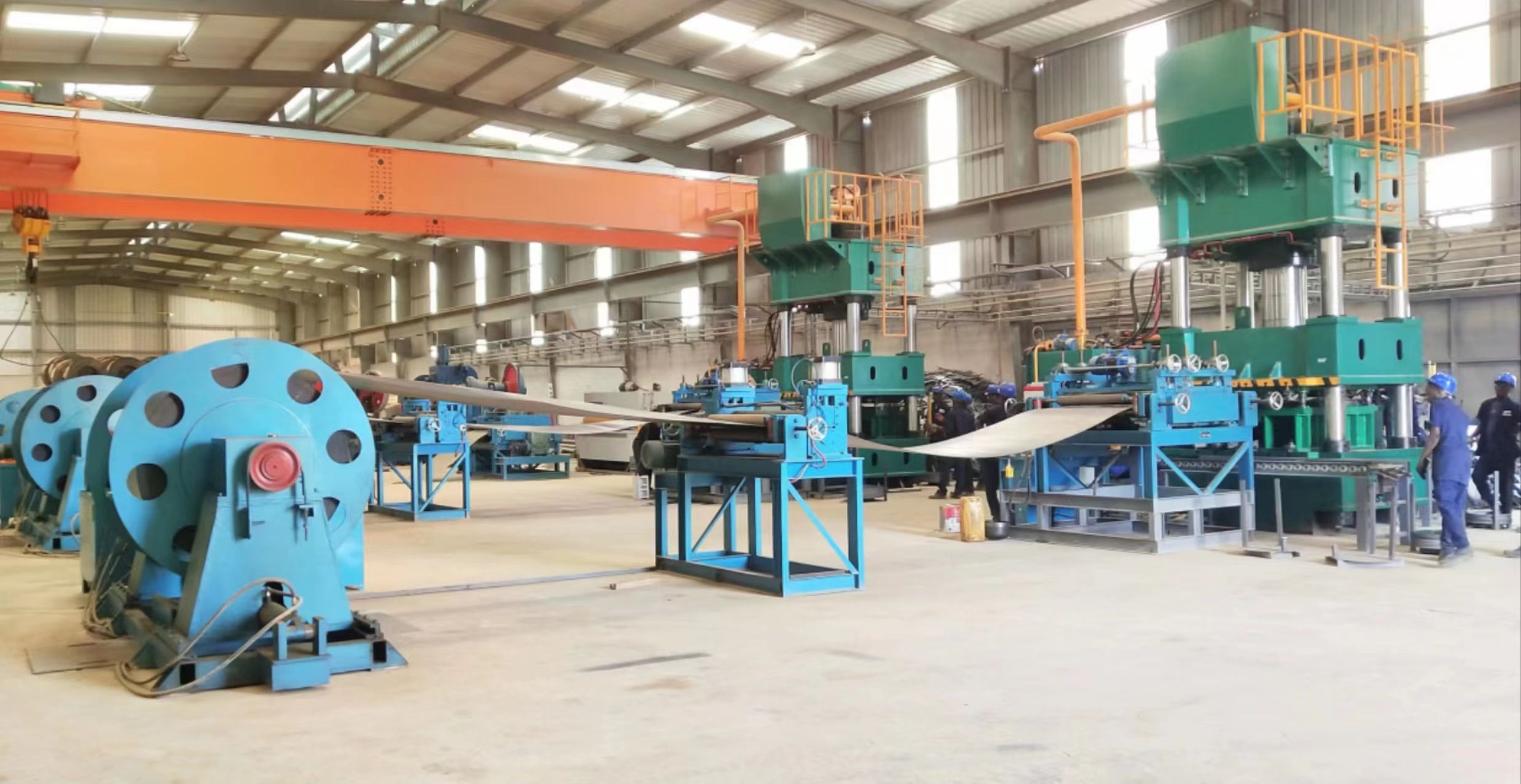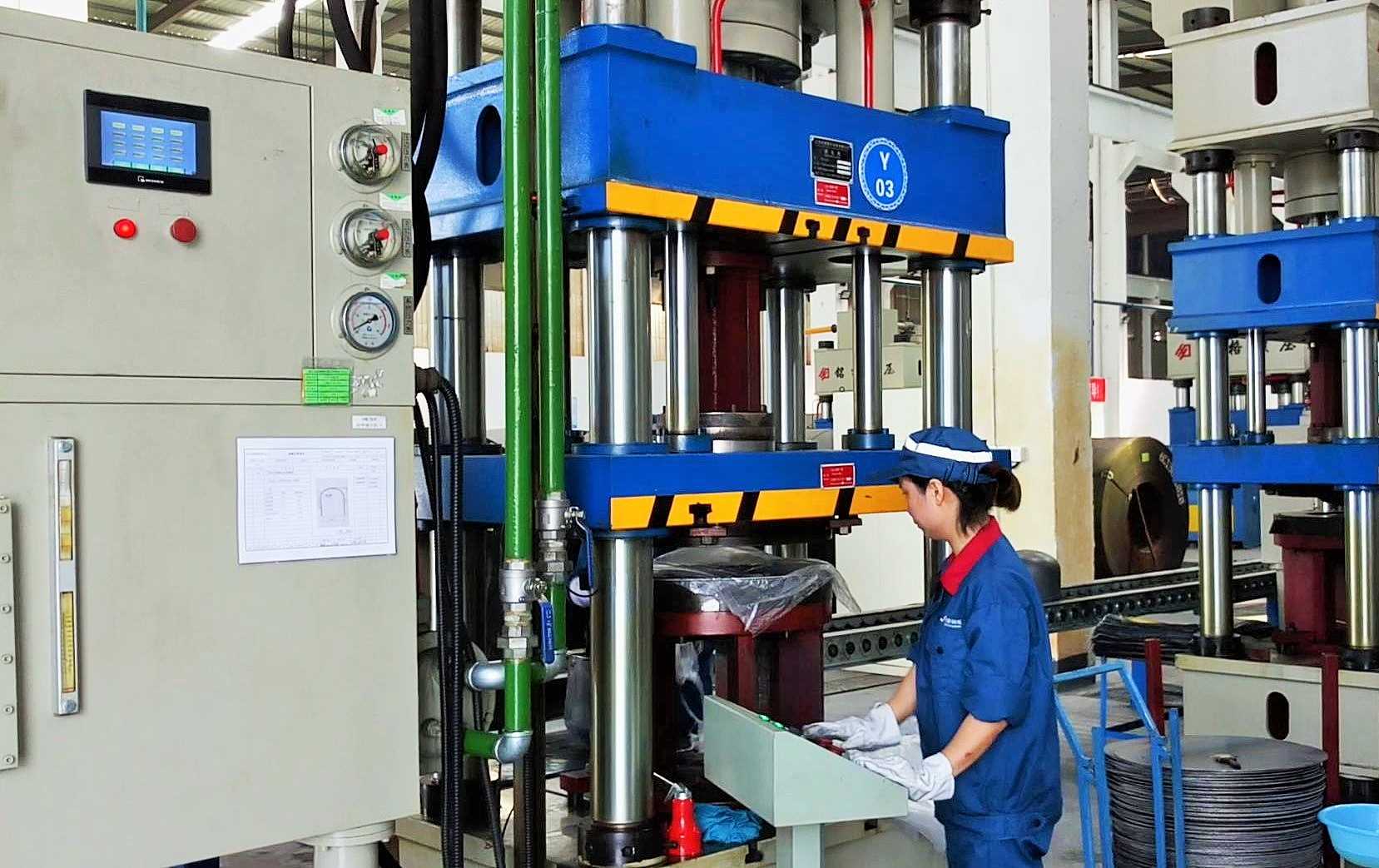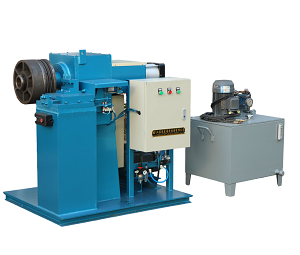
The manufacturing of liquefied petroleum gas (LPG) cylinders is a critical process that demands the utmost precision and safety. One of the essential components in this process is the valve seat welding tooling, a machine specifically designed for welding the valve base and dish end of LPG cylinders. This article delves into the intricacies of valve seat welding tooling, exploring its significance, functionality, technological advancements, and impact on the LPG cylinder manufacturing industry.
Introduction to Valve Seat Welding Tooling
Valve seat welding tooling plays a pivotal role in the production of LPG cylinders, which are widely used for storing and transporting gas in both domestic and industrial settings. These cylinders’ valve bases and dish ends must be welded with high precision to ensure they can withstand high pressures and prevent leaks. Any compromise in the welding process can lead to serious safety hazards, including explosions and gas leaks.
The primary function of the valve seat welding machine is to provide a robust and reliable weld that meets industry standards. This machine is engineered to handle the specific requirements of LPG cylinder manufacturing, ensuring that each cylinder is produced with consistent quality and safety.
Components and Functionality of Valve Seat Welding Tooling
Valve seat welding tooling is composed of several key components that work together to achieve precise welding. These components include:
- Welding Head: The welding head is the core component that performs the actual welding. It is designed to deliver a focused heat source to the valve base and dish end, melting the metal and forming a strong bond.
- Positioning System: The positioning system ensures that the valve base and dish end are accurately aligned before welding. This is crucial for achieving a uniform weld and preventing defects.
- Control Unit: The control unit manages the operation of the machine, including parameters such as welding speed, temperature, and pressure. Advanced control units are equipped with programmable logic controllers (PLCs) that allow for precise adjustments and automation.
- Cooling System: Welding generates a significant amount of heat, which must be dissipated to prevent damage to the cylinder. The cooling system helps maintain an optimal temperature during the welding process.
- Fixture and Clamping Mechanism: These components hold the cylinder in place during welding, ensuring stability and preventing movement that could compromise the weld quality.
Technological Advancements in Valve Seat Welding Tooling
Over the years, valve seat welding tooling has undergone significant technological advancements to enhance its performance and reliability. Some of the notable advancements include:
- Automated Welding Systems: Modern valve seat welding tools are equipped with automated systems that reduce the need for manual intervention. Automation enhances precision, reduces human error, and increases production efficiency.
- Advanced Welding Techniques: Techniques such as laser and friction stir welding have been integrated into valve seat welding tools. These techniques offer higher precision and stronger welds compared to traditional methods.
- Real-Time Monitoring: Advanced machines are equipped with sensors and monitoring systems that provide real-time data on the welding process. This data helps operators make immediate adjustments to ensure optimal weld quality.
- Enhanced Safety Features: Safety is paramount in LPG cylinder manufacturing. Modern valve seat welding tools incorporate safety features such as emergency stop buttons, protective enclosures, and fail-safe mechanisms to prevent accidents.
- Energy Efficiency: Newer models of valve seat welding tools are designed to be energy-efficient, reducing operational costs and minimizing environmental impact.
The Importance of Precision in Valve Seat Welding
Precision in valve seat welding is critical for several reasons:
- Safety: LPG cylinders operate under high pressure, and any defects in the weld can lead to gas leaks or explosions. Precise welding ensures a secure seal, preventing such hazards.
- Durability: High-quality welds contribute to the longevity of LPG cylinders. A well-welded valve base and dish end can withstand repeated use and harsh conditions without deteriorating.
- Compliance: The manufacturing of LPG cylinders is governed by strict industry standards and regulations. Precision welding ensures that the cylinders meet these standards, allowing them to be legally used and sold.
- Cost-Effectiveness: Defective welds can lead to product recalls and repairs, which are costly for manufacturers. Precision welding reduces the likelihood of defects, resulting in cost savings and improved profitability.

Applications of Valve Seat Welding Tooling
Valve seat welding machine is specifically designed for the manufacturing of LPG cylinders, but its applications can extend to other industries as well. Some of the potential applications include:
- Compressed Natural Gas (CNG) Cylinders: Similar to LPG cylinders, CNG cylinders require precise welding to ensure safety and durability. Valve seat welding tools can be adapted for use in CNG cylinder production.
- Industrial Gas Cylinders: Cylinders used for industrial gases, such as oxygen and nitrogen, also benefit from precise welding. Valve seat welding tools can be used to manufacture these cylinders, ensuring they meet industry standards.
- Automotive Industry: The automotive industry uses various types of pressure vessels, including those for fuel storage and hydraulic systems. Valve seat welding tools can be employed to manufacture these components with high precision.
Case Study: Implementation of Advanced Valve Seat Welding Tooling
To illustrate the impact of advanced valve seat welding tooling, consider a case study of an LPG cylinder manufacturing company that upgraded its welding equipment. The company faced challenges with inconsistent weld quality and high defect rates, leading to increased production costs and safety concerns.
After implementing an advanced valve seat welding tool equipped with automated systems and real-time monitoring, the company experienced significant improvements:
- Reduced Defect Rates: The automated system ensured consistent weld quality, reducing the defect rate by 75%.
- Increased Production Efficiency: Automation reduced the need for manual intervention, increasing production speed and efficiency by 40%.
- Enhanced Safety: The real-time monitoring system allowed for immediate adjustments, preventing potential defects and ensuring the safety of the cylinders.
- Cost Savings: The reduction in defects and increased efficiency led to substantial cost savings, improving the company’s profitability.
Future Trends in Valve Seat Welding Machineg
The future of valve seat welding tooling is likely to be shaped by several trends:
- Integration of Artificial Intelligence (AI): AI can be used to optimize welding parameters, predict maintenance needs, and enhance quality control.
- Additive Manufacturing: Also known as 3D printing, additive manufacturing can be used to produce custom welding tool components, reducing lead times and costs.
- Sustainability: As environmental concerns grow, there will be a focus on developing energy-efficient and eco-friendly welding tools.
- Remote Monitoring: The ability to monitor and control welding processes remotely will become more prevalent, allowing for real-time adjustments and troubleshooting.
Conclusion
Valve seat welding machine is a crucial component in the manufacturing of LPG cylinders, ensuring that these cylinders are safe, durable, and compliant with industry standards. The advancements in welding technology have significantly improved the precision, efficiency, and safety of the welding process. As the industry continues to evolve, the integration of AI, additive manufacturing, and sustainable practices will further enhance the capabilities of valve seat welding tooling. For manufacturers, investing in advanced welding tools is essential for maintaining high-quality production and ensuring the safety of their products.